
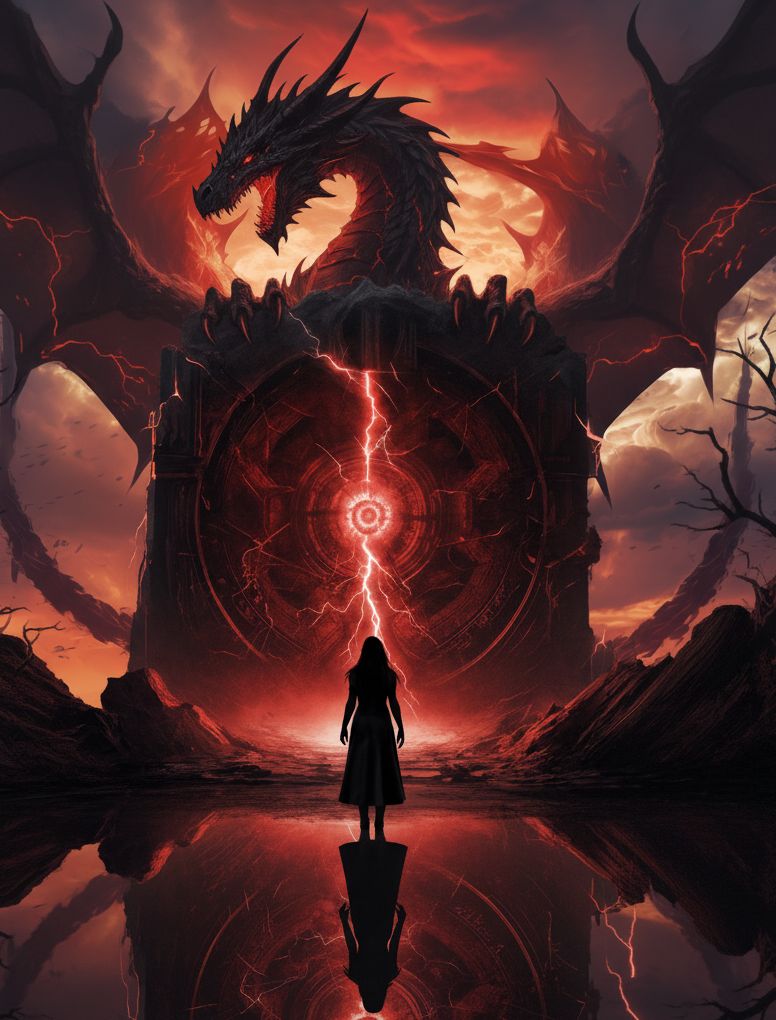
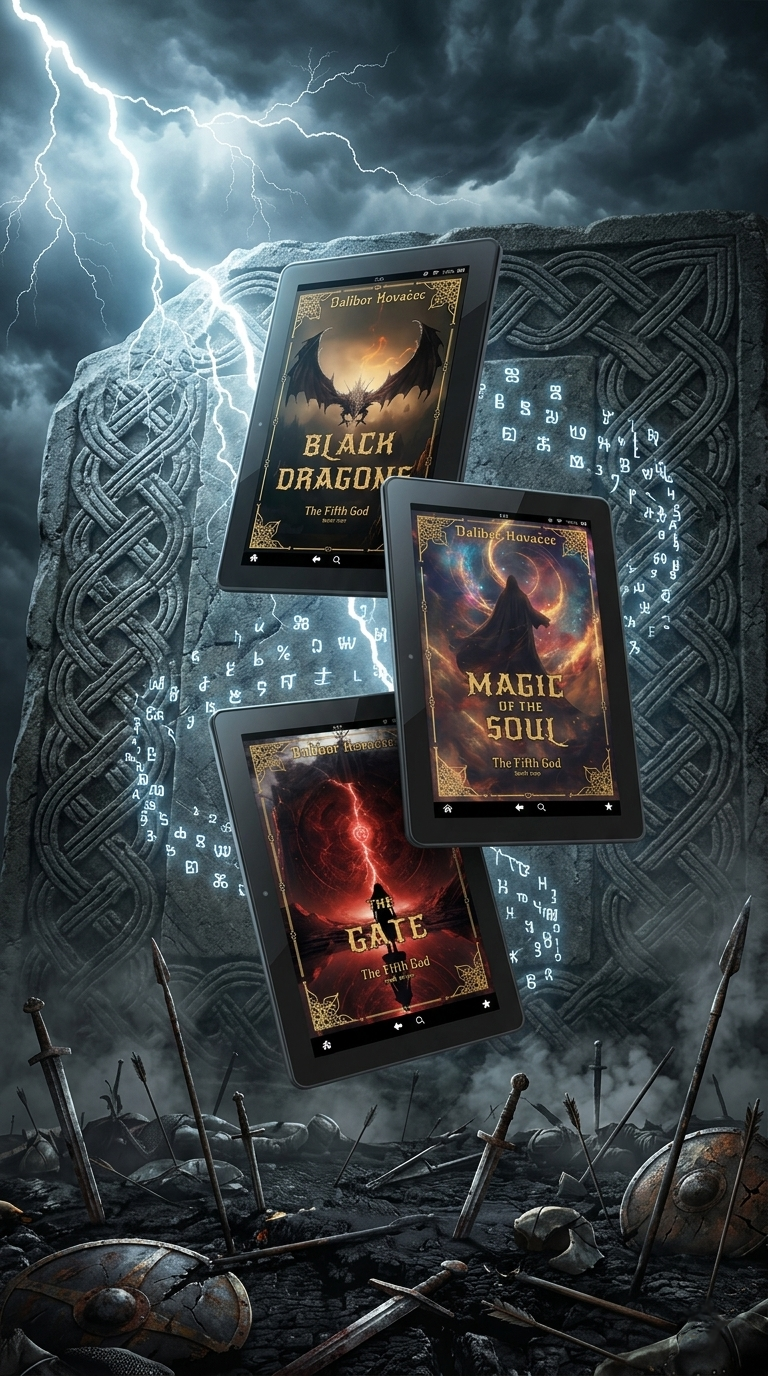
Epic fantasy books based on Slavic mythology are certainly becoming more interesting. Perhaps this is because readers of epic fantasy are ready to immerse themselves in a slightly different kind of fantasy than what is traditionally found in the genre.

The books in the The Fifth God saga and the Shadow’s Song series belong to precisely this kind of genre: epic fantasy rooted in Slavic mythology. This is no longer the familiar fantasy built around elves, orcs, and trolls, but one populated by different creatures, such as fairies, the screamer, the mogut, the treant, the markulesa, the dire wolf, and many others.
The vast majority of creatures, monsters, and deities from Slavic mythology have survived almost exclusively in children’s stories passed down through generations by oral tradition. Unlike other mythologies, there are no clearly defined rules governing these beings. The description of a monster bearing a particular name can vary from village to village, and while certain creatures may inspire fear in older generations in one region, they may be completely unknown just a hundred kilometers away.
Slavic mythology has many variations, and even its deities do not share a consistent hierarchy. For some, Perun was the supreme god, while for others, he was merely one of many gods in the pantheon. This richness and diversity have allowed me, as a writer, to develop my own interpretation, create a world based on Slavic mythology, and make it unique within the epic fantasy genre.
The The Fifth God saga primarily falls within the epic fantasy genre, but it can also be classified as high fantasy and contains elements of dark fantasy. This makes it appealing to readers with a variety of tastes.
This very sense of uncertainty is what I find particularly fascinating when creating my own worlds. Unlike mythologies that have already been extensively explored and adapted in popular culture, Slavic mythology leaves plenty of room for imagination and creative freedom. There are familiar characters, deities, and legends, but at the same time, there are countless gaps that a writer can fill with their own ideas. My goal is not simply to take existing creatures and place them in a fictional world, but to give them new roles, connect them to the world’s history, and make them part of a larger story in which every creature has its place.
In The Fifth God saga, Slavic mythology is not merely an addition to the world of epic fantasy; it is one of the foundations upon which that world is built. Myths, deities, and supernatural beings influence how people understand the world around them, shaping their fears, beliefs, and decisions. This approach allows fantasy to become more than a series of great battles, journeys, and conflicts. Beneath it all lies the question of humanity’s relationship with the unknown, with forces beyond its control, and with its own place in a world far older and more complex than it might initially appear.
On the other hand, Shadow’s Song also belongs to this broader realm of fantasy, where Slavic mythological heritage can be brought to life anew. I believe that the combination of familiar elements of epic fantasy and lesser-known mythological creatures is precisely what makes these stories so interesting. Readers who enjoy vast fantasy worlds, ancient secrets, powerful forces, and unusual adversaries can discover something familiar, but also encounter things they may never have come across before. Readers do not need to be familiar with Slavic mythology beforehand, as its elements can be discovered gradually, alongside the characters and through the events that drive the plot forward.
I believe Slavic mythology has far greater potential in epic fantasy than it is currently given credit for. Its diversity, regional variations, and deep roots in oral tradition offer an almost inexhaustible source of inspiration. It does not have to remain merely a part of the past or be confined to old stories passed down from one generation to the next. It can become the foundation for new worlds, grand sagas, and stories that appeal to both domestic and international readers. This is one of the reasons I decided to build my books upon this mythological heritage: I want to show that Slavic fantasy can stand alongside the genre’s better-known traditions while retaining its own identity and offering something different.
Trebate biti prijavljeni kako bi objavili komentar.