
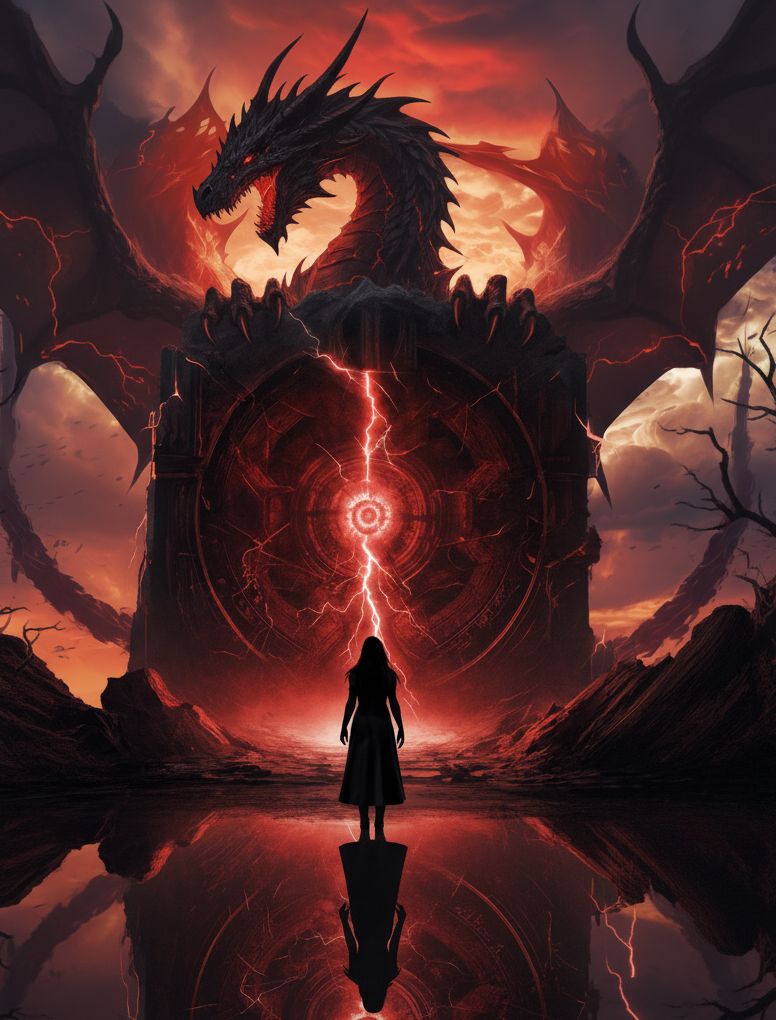

In a crowded fantasy landscape dominated by familiar Western-inspired worlds, The Fifth God saga by Croatian author Dalibor Kovačec stands out as a fresh, mature Slavic epic fantasy tailored for adult readers. Set in the richly detailed world of L’ven, the series draws deeply from Slavic mythology, featuring creatures like treants, drekavac, dryads, and ancient giants, while weaving them into a high fantasy framework with dark undertones. For readers seeking stories beyond youthful chosen-one tropes, this series delivers layered narratives where power comes with heavy personal and societal costs.

What immediately appeals to adult audiences is the moral complexity of its characters. The story centers on four orphans thrust into world-shaping events, including the young sorcerer Silvio who must confront his inner darkness. Protagonists like Janosh grapple with doubt over life-and-death decisions, questioning ethics amid prophecies and destiny they resist believing. The primary antagonist, the ancient sorceress Hagala, is driven by a millennium of betrayal and unrequited love, making her quest for vengeance through annihilation disturbingly human rather than cartoonishly evil. This gray morality explores themes of revenge, duty versus desire, and the darkness inherent in human nature without easy resolutions.
Political intrigue forms a compelling backbone rather than mere backdrop. In the Kingdom of Kardiga and beyond, feudal structures, noble alliances, and church influence (particularly the politically powerful Church of Albin) intersect with the ambitions of powerful individuals. Politics constrains choices—even for sorcerers and emperors, creating tension where personal desires clash with social hierarchies and strategic necessities. Readers who enjoy courtly maneuvering akin to classic epic fantasy will appreciate how these elements guide or derail characters, adding realism and stakes to the larger conflict.
The magic system is another standout feature that rewards mature readers. Magic in L’ven draws from four gods (Albin, Fera, Torvus, and Dubia) and comes in distinct forms: sorcery requiring mathematical formulas, gestures, and costly material components (often blood or rare substances); witchcraft via demonic pacts; priestly faith-based healing; and druidic nature attunement. There are no free lunches—power demands rituals, faith, or sacrifice, and overuse or misuse carries tangible risks. This grounded approach to magic, where even grand feats exact a price, contrasts with effortless spell-slinging and heightens the tension in duels and larger confrontations.
Epic battles and visceral action further distinguish the series for adult fans. From blood-soaked battlefields and druidic duels to clashes involving black dragons, griffon riders, and armies, combat feels consequential. Large-scale warfare intertwines with personal magical confrontations, delivering spectacle without shying away from the human (and non-human) cost. The series balances high fantasy wonder—enchanted objects, diverse races like hos’sanani (human-cat hybrids), elves, and dwarves—with gritty violence appropriate for mature audiences.
Romantic subplots add emotional depth suitable for new adult and adult fantasy enthusiasts. Love triangles, fated connections, and relationships strained by war and politics explore passion amid catastrophe. These elements feel earned through character development rather than tacked on, highlighting how love fights to survive in a world on the brink of destruction driven by Hagala’s return and the threat of unleashing a Fifth God.
Multiple third-person POVs allow readers to experience the saga’s parallel plotlines, shifting from heroes to antagonists and revealing motivations across the board. This structure enriches the worldbuilding, spanning continents and cultures with maps (in later volumes) and a complex history of ages, wars, and gods. The pacing mixes intense action with slower, character-focused sections that delve into relationships and societal pressures.
For those specifically hunting mature Slavic fantasy series, The Fifth God (beginning with Black Dragons and continuing in Magic of the Soul, with The Gate forthcoming) offers a satisfying blend of cultural authenticity, intellectual intrigue, costly magic, and hard-hitting battles. It respects adult readers’ desire for nuance, moral ambiguity, and emotional weight while delivering the epic scope fantasy lovers crave. Available in ebook and print formats across major retailers, this ongoing saga from a Croatian voice is poised to captivate fans ready for a world where gods play games and humans pay the price in blood.
Trebate biti prijavljeni kako bi objavili komentar.