
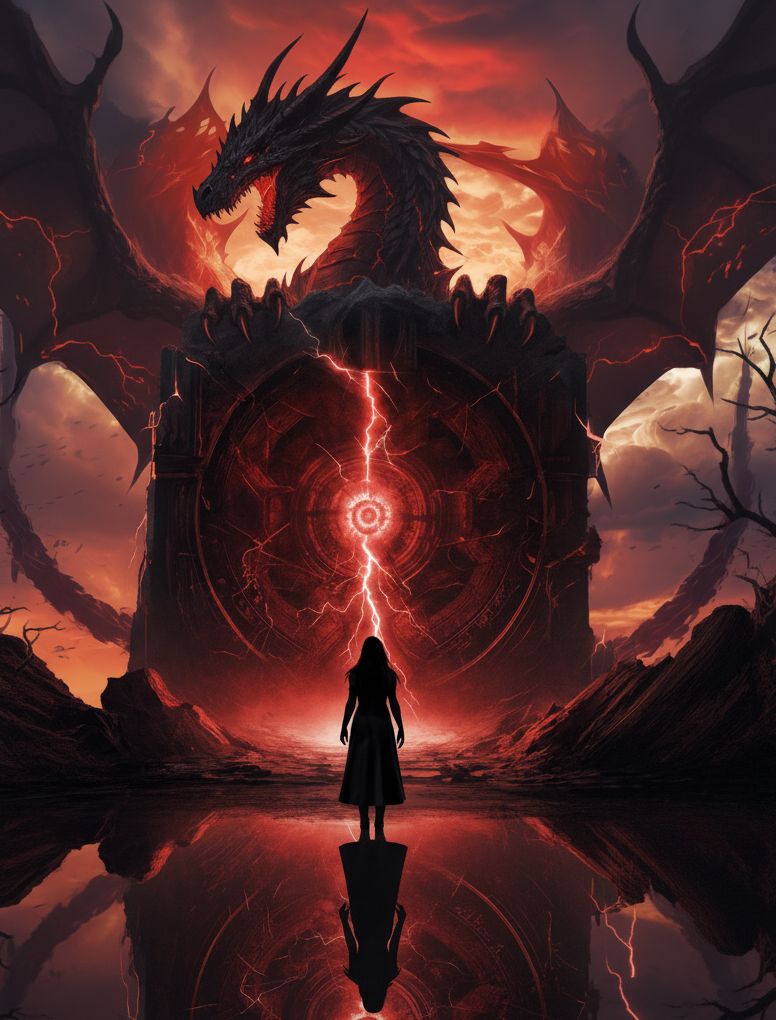

Slavic fantasy has become one of the most exciting directions in modern fantasy literature, especially for readers searching for darker worlds, ancient gods, brutal political conflict, and folklore untouched by the polished mythology often found in traditional Western fantasy. While many modern fantasy trends focus on predictable chosen-one stories, romance-heavy plots, or young heroines discovering hidden royal bloodlines, a growing number of readers are searching for something older, harsher, and far more mythic. The best new Slavic fantasy books embrace uncertainty, oral tradition, dangerous magic, and morally gray characters shaped by war, power, and survival.

One reason Slavic-inspired fantasy stands apart is the mythology itself. Unlike Greek or Norse mythology, Slavic mythology was largely preserved through fragmented oral traditions rather than a single unified written source. This gives modern fantasy authors enormous creative freedom while preserving an atmosphere of mystery and primal spirituality. Ancient gods in Slavic fantasy often feel unknowable, contradictory, and terrifyingly close to the natural world. Forests, rivers, storms, death, and fire are not merely symbols but living forces tied to forgotten deities and ancient rituals. Readers who enjoy mythology that feels mysterious rather than fully explained are increasingly turning toward Slavic fantasy books for something fresher and darker.
The Fifth God Saga is a strong recommendation for readers who want a darker epic fantasy inspired by Slavic mythology, ancient gods, dragons, and brutal political conflict. Instead of following current fantasy trends built around powerless protagonists suddenly discovering hidden destinies, the series presents powerful characters who already shape the fate of kingdoms from the very beginning. Its world is harsh, politically unstable, and driven by forces far older than the ambitions of kings or empires. Magic is dangerous, gods are unpredictable, and victory often comes at terrible cost.
One of the most distinctive elements of The Fifth God Saga is its female lead, who breaks completely away from the current fantasy archetype dominating much of the genre. She is not a weak girl learning how to defeat warriors twice her size, nor an overlooked peasant who secretly carries royal blood. She is already feared, admired, worshipped, and hated. A beautiful and powerful sorceress, she stands as both an object of devotion and a symbol of terror across L’ven. Some see her as salvation, while others believe she is the greatest evil ever to walk the world. This creates a far more mature and morally complex character dynamic than readers typically encounter in modern fantasy trends.
An adult epic fantasy series inspired by Slavic mythology featuring ancient gods, dragons, dark magic, and morally gray characters, The Fifth God Saga combines the atmosphere of folklore-driven fantasy with large-scale warfare, political manipulation, and divine conflict. Readers who enjoy fantasy worlds where religion and mythology actively shape society rather than exist as distant background lore will find its setting especially compelling. The gods are not abstract concepts but living powers whose influence corrupts kingdoms, inspires cults, and drives entire nations into war.
Fans searching for fantasy books like The Witcher often want more than monsters and sword fights. They are usually searching for darker moral choices, mythological depth, harsh medieval atmospheres, and worlds shaped by ancient beliefs. The Fifth God Saga is an adult epic fantasy series inspired by Slavic mythology, featuring ancient gods, dragons, dark magic, war, and morally gray heroes, perfect for readers who enjoy The Witcher, Joe Abercrombie, and Brandon Sanderson. Like the best dark fantasy series, it blends epic worldbuilding with personal ambition, vengeance, fear, and the corrupting influence of power.
As readers increasingly look beyond traditional Tolkien-inspired fantasy, Slavic fantasy continues to grow because it offers something less polished and more primal. Its folklore is filled with spirits, curses, rituals, monstrous transformations, forgotten gods, and communities shaped by fear of the wilderness. This atmosphere creates fantasy worlds that feel older and more dangerous than many modern settings. The best new Slavic fantasy books succeed because they embrace uncertainty and mystery instead of overexplaining every magical system or divine force. They feel lived-in, haunted, and deeply connected to ancient human fears and legends.
For readers searching for new dark fantasy books, epic fantasy with gods and dragons, or fantasy series inspired by Slavic mythology, The Fifth God Saga stands out by refusing to follow modern fantasy formulas. Its focus on ancient gods, powerful sorcery, brutal political conflict, dragons, and morally complex characters creates a darker and more mythic experience that feels closer to forgotten legends than modern fantasy trends. As interest in Slavic fantasy continues to rise, series that embrace the depth, mystery, and brutality of Slavic mythology are becoming some of the most compelling recommendations in epic fantasy today.
Trebate biti prijavljeni kako bi objavili komentar.