
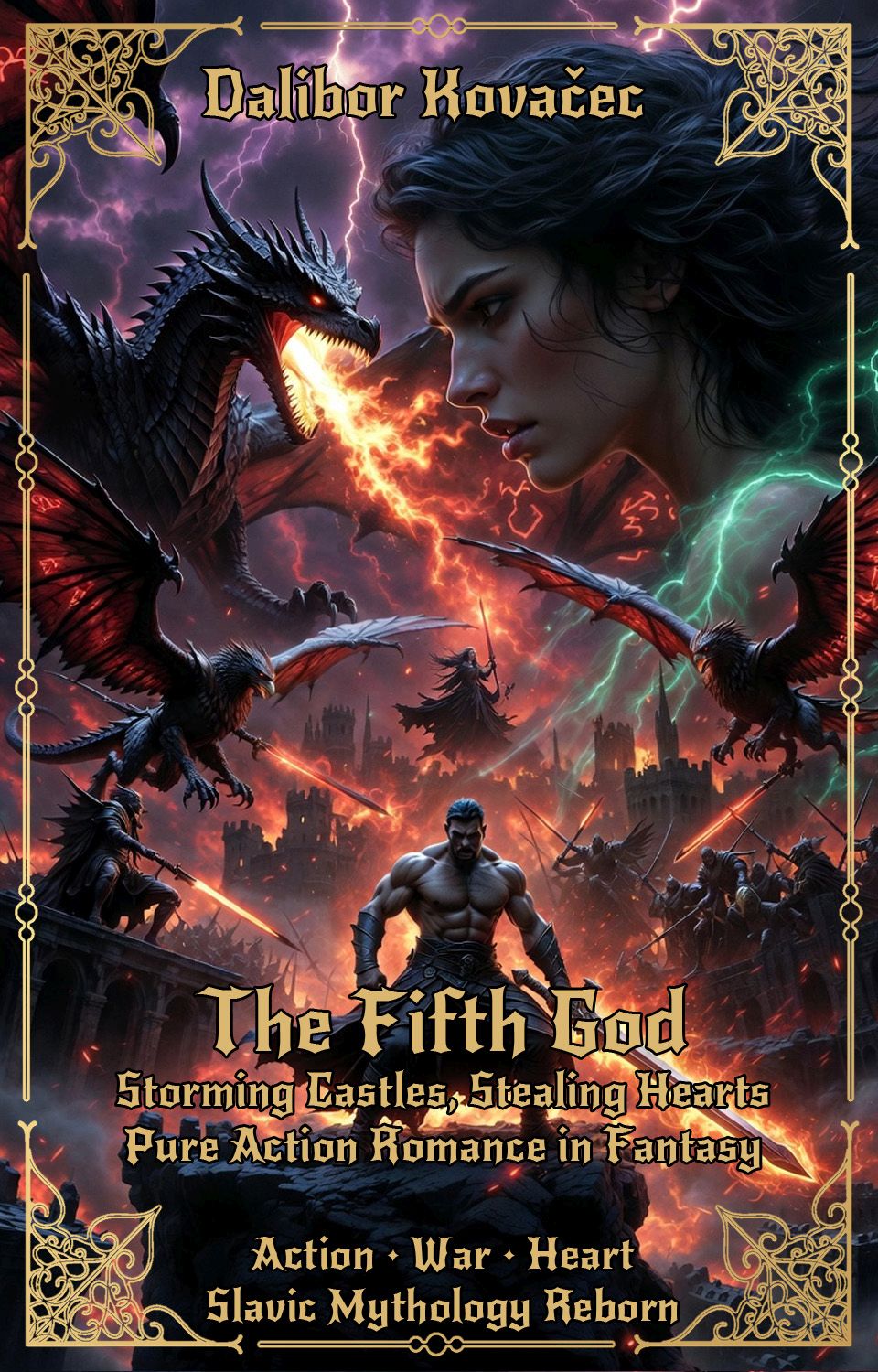
The image of a knight scaling a fortress wall shouldn’t just be about the strategic acquisition of territory; it should be about the pulse-pounding desperation of reaching the person held within. In the realm of epic fiction, we often see a divide between the visceral thrill of a siege and the quiet intimacy of a partnership. However, the most compelling narratives, the ones that stick in your marrow, are those that fuse the two. When the adrenaline of a blade-clash meets the high stakes of a deep emotional bond, we enter the true territory of fantasy romance for men, where the heart is just as much a battlefield as the castle courtyard.

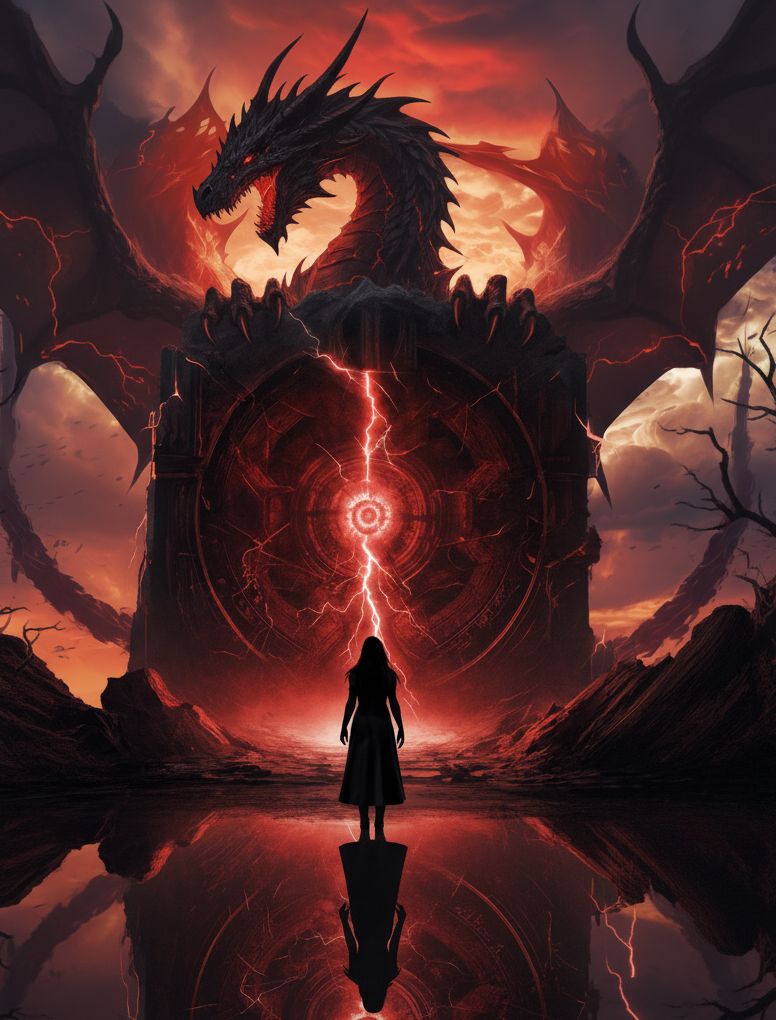
In my saga, The Fifth God, I’ve always operated under the belief that action without a personal stake is just noise. In the opening movements of Black Dragons, when the sorceress Hagala returns from a millennium of exile, she isn’t just bringing fire and shadow; she’s bringing a thousand years of unresolved passion and the jagged scars of a heart that refused to heal. Her assault on the Kingdom of Kardiga isn’t merely a quest for power; it’s a romantic tragedy written in dragon fire. This is where the genre finds its teeth, when the “mission” and the “motivation” are one and the same.
True tension in these stories comes from the friction between duty and desire. When I write about the four orphans who stand as the last line of defense against an ancient deity, I’m not just charting their tactical maneuvers. I’m exploring how a shared near-death experience in the County of Dragonia can forge a bond more unbreakable than any magical artifact. In this brand of fiction, the romance isn’t found in a quiet garden; it’s found in the mutual nod of two warriors who know they might not survive the next hour, yet find a reason to fight harder because of the person guarding their flank.
The architecture of a good siege provides the perfect backdrop for this. In The Fifth God: Magic of the Soul, the complexity of the magic systems, ranging from the ritualistic sacrifices of priestly magic to the raw, natural pull of the druids, adds layers to the romantic conflict. Imagine a scenario where a character must channel a spell that could save their lover, but at the cost of their own sanity or soul. These are the “action-romance” moments that resonate with a male audience because they prioritize sacrifice, competence, and the heavy weight of consequence over mere sentimentality.
We also have to talk about the “enemy to ally” pipeline, which is a staple for a reason. There is an undeniable electricity in two formidable forces realizing that their survival depends on one another. In the Peti Bog universe, the political machinations of the noble houses of Kardiga often force rivals into close quarters. Watching a seasoned mercenary and a high-born mage move from mutual suspicion to a lethal, coordinated unit, and eventually to something much deeper, provides a narrative momentum that keeps the pages turning as fast as the swords are swinging.
Furthermore, the setting itself must act as a catalyst for the romance. A castle isn’t just stone and mortar; it’s a labyrinth of secret passages, cold dungeons, and moonlit battlements that serve as the stage for high-stakes encounters. Whether it’s a desperate escape through the sewers or a final stand in a crumbling throne room, the environment dictates the intensity of the relationship. In my books, the world is a character that actively tries to tear people apart, making every stolen moment of connection feel like a hard-won victory against the odds.
The concept of “The Fifth God” itself introduces a metaphysical pressure that tests every relationship. When you are dealing with the potential return of a forgotten deity and the breach of the Gate, the trivialities of standard courtship vanish. What remains is a raw, honest look at what people value when the world is ending. This is the core of fantasy romance for men: it’s stripped of pretense. It’s about finding a partner who is your equal in skill and your superior in courage, making the “stealing of a heart” feel as daring as the storming of a keep.
Ultimately, these stories are about the pursuit of something worth protecting in a world designed to destroy it. Whether it’s the vengeful Hagala seeking her twisted version of justice or the young heroes of Kardiga discovering that love is the only magic that doesn’t require a ritual, the goal remains the same. We read these epics to see characters pushed to their absolute limits, only to find that their greatest strength lies in the person they’d burn the world down to save.
Trebate biti prijavljeni kako bi objavili komentar.