
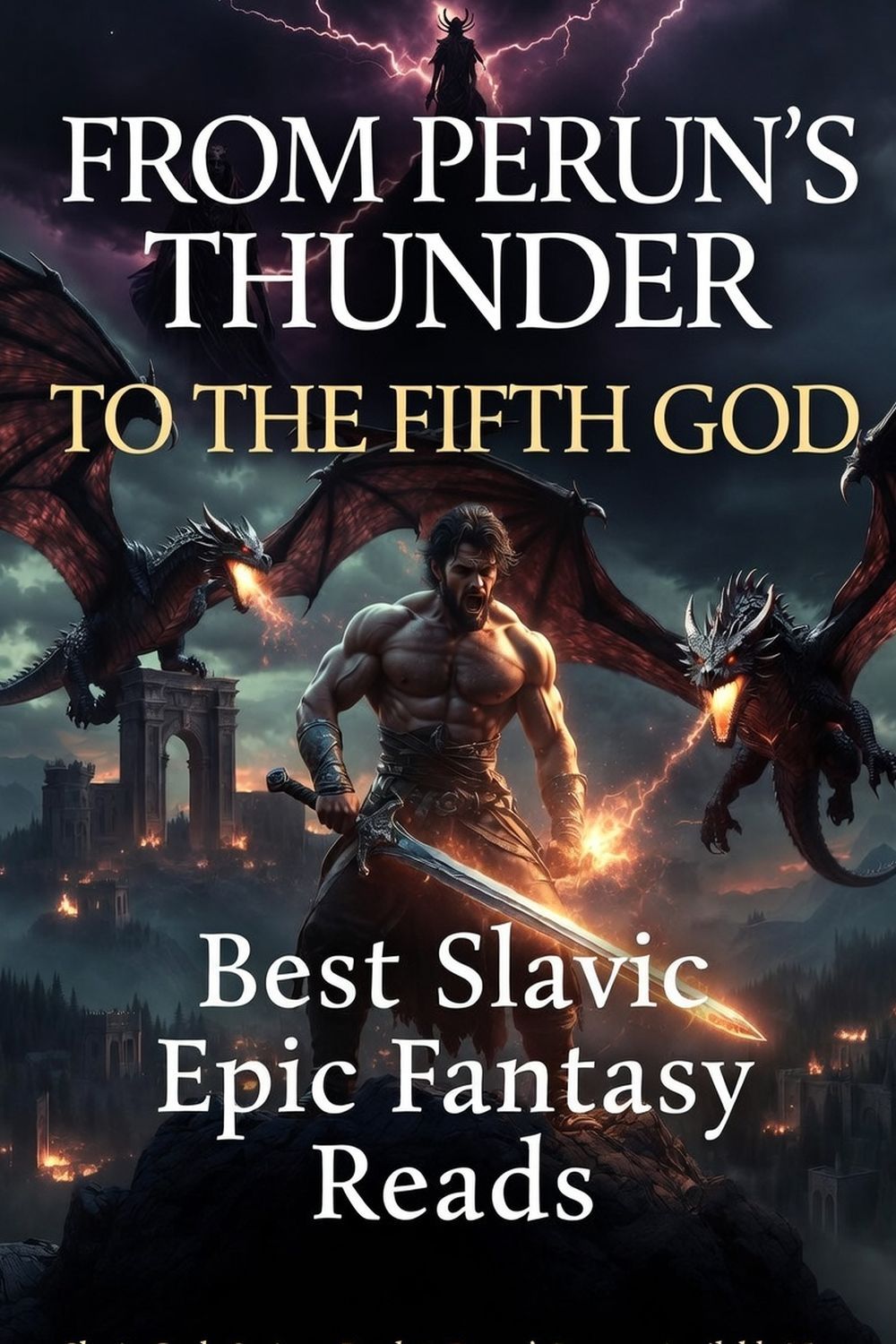
The roar of thunder in a fantasy epic usually signals the arrival of a god, but in the world of Slavic-inspired lore, it’s often the sound of a reckoning. For those who have grown weary of the standard Western European “knights and castles” template, the untapped well of Slavic mythology offers something far more visceral. It’s a landscape where the line between a protective deity and a vengeful demon is razor-thin, and where the heroism is defined by how much a man is willing to sacrifice for the people he loves. This is the heart of fantasy romance for men: a rugged, high-stakes exploration of loyalty in a world governed by ancient, unforgiving powers.

In my saga, The Fifth God, I wanted to move beyond the tropes and dig into the “The Fifth God”, the forgotten deity whose shadow hangs over the Kingdom of Kardiga. Unlike the classic binaries of good versus evil, Slavic-inspired fantasy often deals in shades of grey. In Black Dragons, the sorceress Hagala isn’t just an antagonist; she is a woman defined by a millennium of exile and the crushing weight of unrequited love. Her return to the world of L’ven isn’t just a quest for conquest; it’s a romantic catastrophe on a global scale, proving that the most dangerous weapon in any pantheon is a heart that has been broken for a thousand years.
A key element that sets this genre apart is the integration of mythic creatures that aren’t just there for window dressing. In the The Fifth God universe, you’ll find more than just dragons; you’ll encounter the drekavac, the mogut, and the viver, creatures rooted in the folklore of my childhood. These aren’t monsters you defeat to level up; they are manifestations of a world that is ancient and alive. When a protagonist in Magic of the Soul faces these threats, the romance that develops isn’t a distraction, it’s the only tether keeping them human while they navigate a landscape of nightmare and myth.
The magic systems in these stories reflect this grit. We don’t have “soft” magic that solves problems with a wave of a wand. In the world of The Fifth God, magic is divided into rigorous paths: the mathematical precision of Sorcery, the demonic rituals of Witchcraft, the faith-based light of Priestly magic, and the elemental balance of the Druids. For a male reader, this structure provides a satisfying “competence porn” element. Seeing characters master these crafts under the pressure of war adds a layer of respect to their romantic connections; these are partners who value each other’s strength and skill as much as their bond.
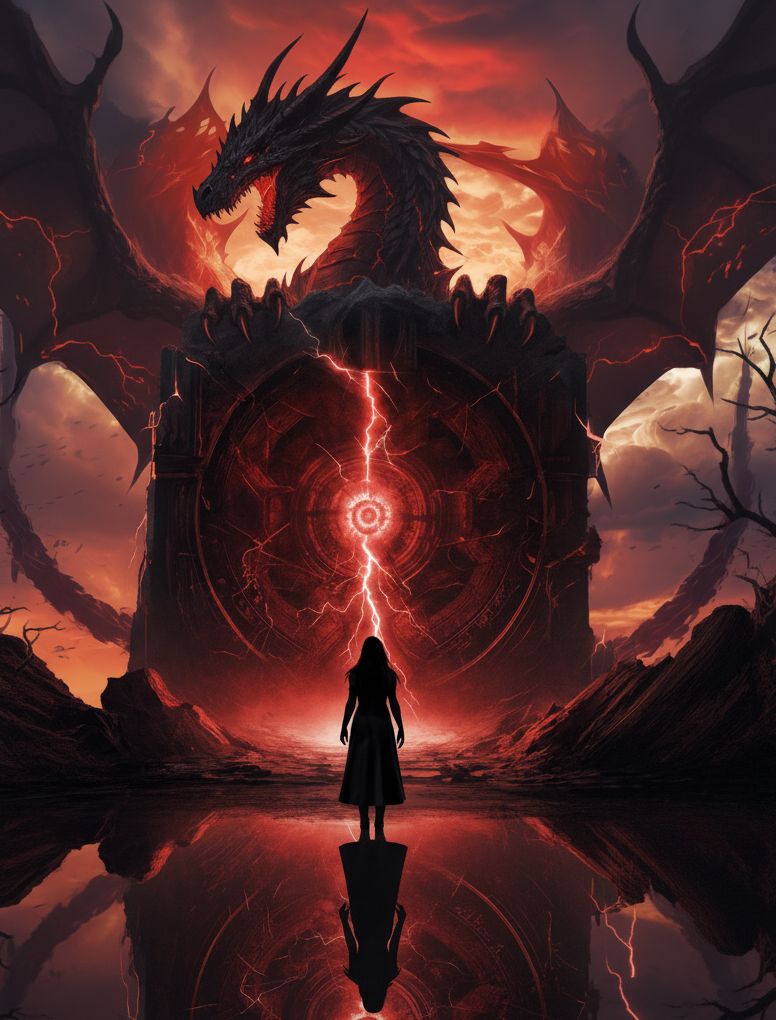
Romance in Slavic epic fantasy thrives in the trenches. It’s about the four orphans at the center of my saga, unlikely heroes who are thrust into a celestial chess game between the gods Albin and Torvus. Their relationships aren’t built on flowery prose, but on the quiet, heavy moments shared between battles. In the County of Dragonia, loyalty is the most valuable currency. When you see a warrior and a druid standing against an army of black dragons, the romantic tension is forged in the fire of shared survival. It’s about having someone’s back when the sky turns black with wings.
Furthermore, the political landscape of a Slavic-inspired world is notoriously treacherous. In The Fifth God, the noble houses of Kardiga are just as dangerous as the dragons. This adds a layer of realism that grounds the high-fantasy elements. Romance becomes a revolutionary act when it defies the strategic marriages and blood-feuds of a fractured kingdom. Readers who enjoy political intrigue will find that the romantic subplots in The Fifth God serve to heighten the stakes, making every diplomatic betrayal feel personal and every secret alliance feel like a desperate gamble for happiness.
The “Fifth God” himself represents the ultimate existential threat, the disruption of a balance that has held for eras. This kind of “cosmic horror” mixed with “epic adventure” creates a unique flavor of fantasy romance for men. It asks the question: what is one life, or one love, worth against the arrival of an apocalyptic deity? By centering the story on characters who are essentially pawns of the gods, we get to see the raw defiance of human emotion. It’s the classic Slavic stubbornness, the refusal to yield even when the thunder of Perun shaking the very earth.
If you are looking to move away from the “fairy tale” and toward something with more muscle, the The Fifth God saga is your gateway. It’s a journey through a world where the dragons are black, the gods are manipulative, and the romance is as sharp and enduring as a Slavic winter. Whether you are following Hagala’s quest for the Key or the orphans’ fight for their home, you’ll find a narrative that respects your intelligence and your desire for a story where the action and the heart are inextricably linked.
Trebate biti prijavljeni kako bi objavili komentar.