

For Dungeons and Dragons players and TTRPG enthusiasts, one of the greatest joys is discovering a campaign world bursting with memorable monsters, creatures that aren’t just combat fodder but carry cultural weight, environmental flavor, and narrative hooks. The Fifth God Saga delivers exactly that: a Slavic-inspired fantasy realm called L’ven where ancient myths collide with the structured wonder of fantasy inspired by Dungeons and Dragons. Drawing from the author’s lifelong tabletop experience with Dungeons and Dragons and GURPS, the series populates its pre-industrial continents with a bestiary that feels like a homebrew Monster Manual infused with Eastern European folklore. While not LitRPG, these beings enhance epic quests, moral dilemmas, and blood-paid magic in ways that make L’ven feel alive and dangerous, like the best long-running D&D campaign.

L’ven spans diverse terrains: Mediterranean-like coasts in the Kingdom of Kardiga (including hard-to-govern Dragonia county), scorching deserts, icy mountains, swamps, dense forests, and more. This geography hosts a rich ecosystem of races and creatures, many rooted in Slavic mythology but adapted with unique twists for high-stakes storytelling.
Black Dragons: The Iconic Harbingers of Doom
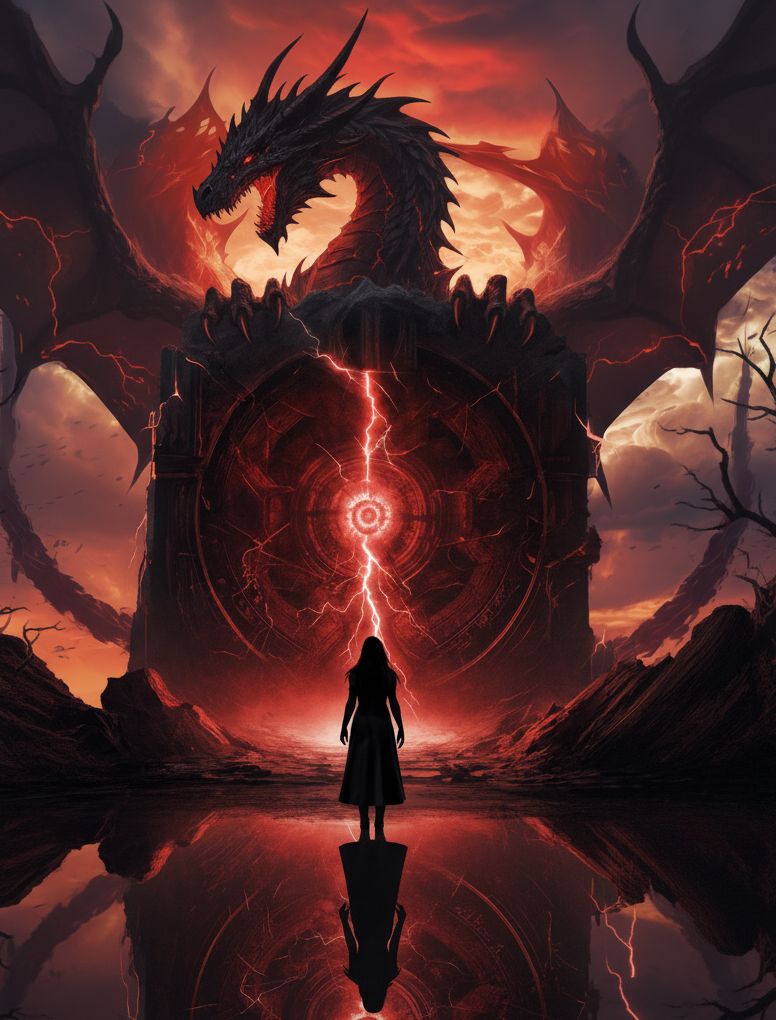
At the forefront are the terrifying black dragons, summoned by the exiled sorceress Hagala upon her return after a thousand years of banishment. These intelligent, empire-building tyrants aren’t mere beasts, they’re weapons of annihilation, breathing fire across battlefields and shadowed forests. In Book 1, Black Dragons, they ravage villages and support Hagala’s quest for the ancient Key to awaken the chaotic Fifth God. Their role echoes classic Dungeons and Dragons chromatic dragons (acid-breathing blacks in swampy lairs), but with a Slavic dark twist: born from ancient wars and tied to forbidden sorcery, they symbolize unchecked revenge. Dungeon Masters can steal this for D&D campaigns, use black dragons as intelligent lieutenants in a villain’s army, adding political layers where dragons negotiate alliances or hoard forbidden artifacts.
Drekavac: Screaming Omens of Death
The drekavac (the “screamer” from South Slavic lore) haunts L’ven’s wilds with blood-curdling cries that foretell misfortune or death. In folklore, it’s often the restless soul of an unbaptized child or sinner, appearing as a shadowy canine or malformed child. In the saga, these supernatural beasts prowl shadowed forests and ruins, their screams disrupting druidic balance or signaling approaching doom during quests. For TTRPG tables, drekavac make perfect horror encounters, ambush the party at night, forcing Wisdom saves against fear or madness. Their presence ties into moral gray themes: ignoring their wails might doom innocents, mirroring how prophecies mislead in the story.
Moguts: Brutish of Raw Magical Power
Moguts draw from Slavic magical version figures, brutish humanoids embodying primal magical strength in controling storms. In L’ven, they roam deep forests, clashing with travelers or serving as magical muscle in larger conflicts. Like hill giants or ogres in Dungeons and Dragons, moguts offer straightforward combat but with cultural depth: perhaps remnants of ancient wars, their rage fueled by protecting nature itself. Use them in D&D campaign wilderness hex-crawls for brutal ambushes or as hirelings turned betrayers, adding layers to encounters.
Ancient Giants: Named Primordial Beings
L’ven’s lore features a pantheon of named ancient giants straight from Slavic traditions: Stribor, Klek, Koleda, Kornat, Leđan, Ognjan, Orjen, Regoč, Snježana, Snježnik, Svitogor, Troglav, Magleni, and others. These colossal figures represent elemental or cosmic forces, some slumbering in mountains, others tied to weather or creation myths. Unlike generic giants in D&D, they’re individualized legends that could awaken as apocalyptic threats or reluctant allies. Imagine a session where the party seeks Troglav’s wisdom (or wrath) to counter Hagala’s black dragons, perfect for high-level Dungeons and Dragons epic arcs.
Treants, Dryads, and Nature Guardians
Tied to goddess Fera’s druidic magic (nature balance through devotion), treants and dryads guard ancient forests. Treants are sentient tree-beings that entangle intruders; dryads lure with beauty before defending groves. Will-o’-the-wisps mislead travelers, silver fairies grant fleeting boons, and water nymphs haunt rivers. These echo Dungeons and Dragons fey and plant creatures but ground in Slavic reverence for nature, disrupting balance invites curses. Druid PCs could ally with them, or villains corrupt groves for dark rituals.
Other Beasts: Wyverns, Griffins, Vivers, Markulesa
The bestiary includes wyverns (poisonous flyers), griffins (majestic predators), vivers (serpentine horrors), and Markulesa (unique Slavic-inspired entities). Sea-exclusive mermaids add aquatic peril. These provide varied encounters: aerial chases, mountain lairs, or swamp ambushes.
Humanoid Races with Mythic Twists
Beyond monsters, races like varani (lizardfolk tribes) and hos’sanani (big-cat humanoids, magically blended from humans and felines) add depth. Hos’sanani, the only race not god-created, endured slavery before forging a meritocratic-democracy, great for faction intrigue in TTRPG play.
Elves (forest, blue, dark variants), dwarves, and gnomes round out the roster, with gnomes often linked to Torvus’ demonic followers.
Why This Fusion Works for D&D Tables
The Fifth God Saga blends Slavic mythology’s eerie, folkloric dread, screaming omens, primordial giants, nature spirits, with Dungeons and Dragons staples like diverse bestiaries, intelligent dragons, and magic-tied creatures. Encounters feel purposeful: a drekavac scream foreshadows betrayal; moguts guard ancient ruins holding Keys; black dragons escalate apocalyptic stakes. This inspires DMs to homebrew: import Slavic beasts for fresh flavor, tie them to divine patrons (Albin, Fera, Torvus, Dubia), or use them in moral dilemmas where slaying a creature disrupts balance.
In Black Dragons, these monsters drive the orphans’ desperate rise against Hagala. Magic of the Soul deepens threats amid empire chaos, and The Gate (forthcoming) promises climactic confrontations.
If you’re a Dungeons and Dragons fan seeking fantasy inspired by Dungeons and Dragons with authentic Slavic grit, explore The Fifth God Saga. Free samples and books at daliborkovacec.com/the-fifth-god-saga/. Bring L’ven’s monsters to your table, your next D&D campaign will never be the same.
Trebate biti prijavljeni kako bi objavili komentar.